

By Jennifer – Mimi Loves Cooking
I grew up thinking coriander was just that dusty spice in the back of the cabinet. You know the one — you buy it for one recipe, use half a teaspoon, and then it sits there for three years.
That changed when I moved to California.
My neighbor was from Mexico. She handed me a bundle of fresh green leaves one afternoon and said, “Add this to your tacos. You’ll thank me.” I chopped it up, sprinkled it on, and took one bite. Something woke up in my mouth. Bright, citrusy, a little peppery. I was hooked.
But I still didn’t know what to call it. Cilantro? Coriander? Then I discovered the broader term: Koriandri — the ancient name that covers the whole plant, from seed to leaf to root.
Now, after decades of cooking across Pennsylvania, California, and South Carolina, I’ve collected Koriandri recipes from all over the world. And I’m about to share my ten favorites with you.
Here’s what I learned.
What Is Koriandri, Anyway?
Before we dive into the recipes, let’s clear up the confusion.
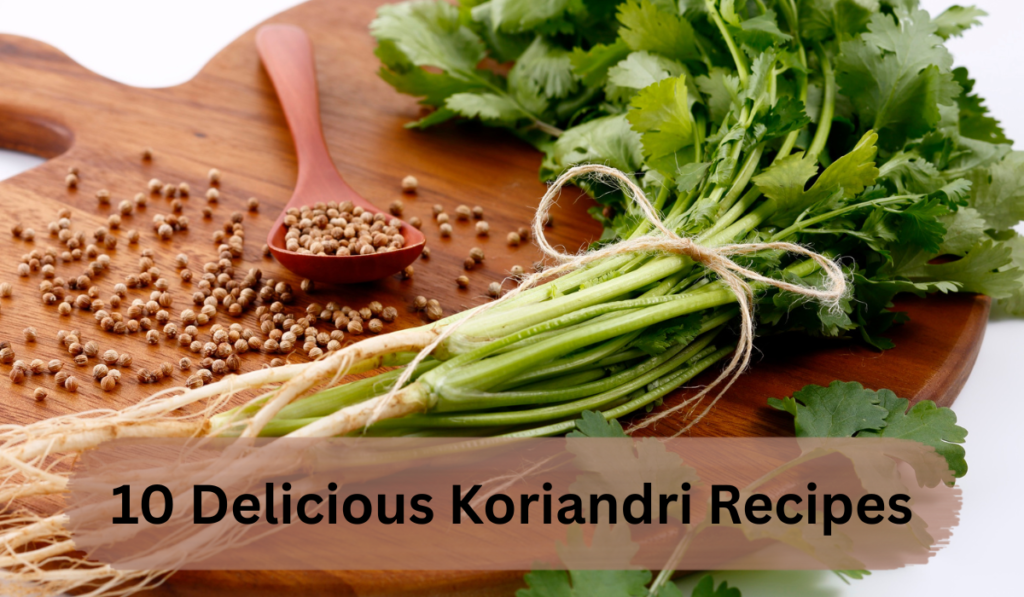
Koriandri refers to the entire Coriandrum sativum plant. In different parts of the world:
- Fresh leaves = cilantro (Mexico, US) or coriander leaves (UK, India)
- Dried seeds = coriander spice
- Roots = used in Thai cooking
So when I say “Koriandri recipes,” I mean dishes that use any or all parts of this incredible herb. It’s my favorite way to cook — using every bit of the plant, wasting nothing.
Now, let’s get cooking.
10 Delicious Koriandri Recipes From Around the World
1. India: Fresh Cilantro Chutney
This is the first thing I make when I have too many cilantro leaves. It takes five minutes and keeps for a week in the fridge.
Ingredients: 2 cups fresh Koriandri leaves (cilantro), 1 green chili, 1 garlic clove, ½ inch ginger, 2 tbsp lemon juice, ½ tsp salt, ¼ cup water, ¼ cup yogurt (optional).
Method: Blend everything into a smooth paste. Serve with samosas, grilled meats, or spread on sandwiches.
2. Mexico: Fresh Pico de Gallo with Cilantro
My California neighbor would be proud. This isn’t the jarred stuff — it’s bright, chunky, and alive.
Ingredients: 4 ripe tomatoes (diced), ½ red onion (finely chopped), 1 jalapeño (minced), ½ cup fresh Koriandri leaves (chopped), juice of 2 limes, salt to taste.
Method: Mix everything in a bowl. Let sit for 15 minutes before serving. Perfect on tacos, burritos, or grilled fish.
3. Thailand: Chicken Larb (Laab)
This is my husband’s absolute favorite. It’s a minced meat salad that’s tangy, spicy, and loaded with fresh herbs.
Ingredients: 1 lb ground chicken, ¼ cup chicken broth, 2 tbsp fish sauce, 2 tbsp lime juice, 1 tbsp toasted rice powder, 1 shallot (thinly sliced), ¼ cup fresh Koriandri leaves, ¼ cup mint leaves, 2 green onions (chopped), 1 Thai chili (optional).
Method: Cook chicken with broth until done. Remove from heat, stir in fish sauce, lime juice, rice powder, shallot, chili. Toss with fresh herbs right before serving. Eat with lettuce cups.
4. Morocco: Coriander and Cumin Meatballs (Kefta)
This uses coriander seeds (ground) instead of fresh leaves. The warm, earthy spice changes everything.
Ingredients: 1 lb ground beef or lamb, 1 tsp ground coriander, 1 tsp ground cumin, ½ tsp paprika, ¼ cup fresh parsley (chopped), ¼ cup fresh Koriandri leaves (chopped), 1 garlic clove (minced), ½ tsp salt, 1 egg.
Method: Mix everything together, form into small meatballs or sausage shapes. Pan-fry or grill. Serve with couscous or in a tomato sauce.
5. Vietnam: Cilantro and Lime Noodle Bowl (Bun Thit Nuong)
This is my teenage daughter’s request whenever she wants something “fancy but easy.” Fresh herbs are non-negotiable here.
Ingredients (per bowl): Rice noodles (cooked), grilled pork or tofu, shredded lettuce, cucumber slices, pickled carrots, crushed peanuts, a huge handful of fresh Koriandri leaves, mint, Thai basil. For the sauce: ¼ cup fish sauce, ¼ cup lime juice, ¼ cup sugar, ½ cup water, 1 garlic clove, 1 Thai chili.
6. Greece: Coriander Seed and Lemon Roasted Potatoes
This one surprised me. Ground coriander seed pairs beautifully with lemon and oregano. I learned it from a Greek friend in California.
Ingredients: 2 lbs potatoes (cut into wedges), ¼ cup olive oil, 2 tbsp lemon juice, 1 tbsp dried oregano, 1 tsp ground coriander, ½ tsp salt, ¼ cup fresh Koriandri leaves (for garnish).
Method: Toss potatoes with oil, lemon, oregano, coriander, salt. Roast at 400°F for 35–40 minutes until crispy. Sprinkle fresh cilantro leaves on top before serving.
7. China: Cilantro and Scallion Stir-Fry
Simple, fast, and perfect for busy weeknights. This works with beef, chicken, shrimp, or just tofu.
Ingredients: 1 lb protein (thinly sliced), 2 tbsp soy sauce, 1 tbsp rice wine, 1 tsp sugar, 2 garlic cloves, 1 inch ginger (grated), 1 bunch scallions (cut into 2-inch pieces), 1½ cups fresh Koriandri leaves (loosely packed), 2 tbsp oil.
Method: Stir-fry protein in hot oil until browned. Remove. Stir-fry scallions, garlic, ginger for 30 seconds. Return protein to pan, add soy sauce, rice wine, sugar. Toss. Turn off heat, stir in fresh cilantro leaves until just wilted. Serve over rice.
8. Pakistan: Coriander Seed and Yogurt Curry (Kadhi)
This is a warming, tangy, comforting curry that uses ground coriander along with chickpea flour and yogurt. It’s not spicy — just deeply flavorful.
Ingredients: 1 cup yogurt, 4 cups water, ½ cup chickpea flour (besan), 1 tsp turmeric, 1 tsp ground coriander, ½ tsp red chili powder, salt to taste. Tadka (tempering): 2 tbsp oil, 1 tsp mustard seeds, 1 tsp cumin seeds, 2 dried red chilies, 10 curry leaves.
Method: Whisk yogurt, water, chickpea flour, and spices until smooth. Cook over medium heat, stirring constantly, until it thickens (about 15 minutes). Make tempering: heat oil, add seeds, chilies, curry leaves until popping. Pour into curry. Serve with rice or flatbread. Garnish with fresh cilantro leaves.
9. Caribbean: Green Seasoning (Dominican/Cuban Style)
This is a wet marinade and sauce base that uses a mountain of fresh Koriandri leaves along with other herbs. I keep a jar in my fridge all summer.
Ingredients: 2 cups fresh Koriandri leaves (cilantro), 1 cup fresh parsley, 1 green bell pepper (chopped), 1 onion (chopped), 4 garlic cloves, 1 tbsp oregano, 1 tbsp salt, ½ cup olive oil, ¼ cup vinegar or lime juice.
Method: Blend everything into a bright green paste. Use as a marinade for chicken, pork, fish, or beans. Stores for two weeks in the fridge.
10. USA: Cilantro Lime Cauliflower Rice (Low Carb)
This is a modern recipe that my keto friends beg me to bring to cookouts. Fresh, bright, and ridiculously easy.
Ingredients: 1 head cauliflower (riced), 2 tbsp olive oil, ½ cup fresh Koriandri leaves (chopped), juice of 2 limes, ½ tsp salt, ¼ tsp black pepper.
Method: Sauté cauliflower rice in olive oil for 3–4 minutes until tender. Remove from heat. Stir in cilantro, lime juice, salt, pepper. Serve alongside grilled meats or burgers (see my burger sides article!).
Quick Reference: Koriandri Around the World
| Country | Dish Name | Part of Koriandri Used |
|---|---|---|
| India | Cilantro Chutney | Fresh leaves |
| Mexico | Pico de Gallo | Fresh leaves |
| Thailand | Larb | Fresh leaves (roots optional) |
| Morocco | Kefta | Ground seeds |
| Vietnam | Bun Thit Nuong | Fresh leaves + stems |
| Greece | Lemon Roasted Potatoes | Ground seeds + fresh garnish |
| China | Cilantro Stir-Fry | Fresh leaves |
| Pakistan | Kadhi | Ground seeds + fresh garnish |
| Caribbean | Green Seasoning | Fresh leaves |
| USA | Cilantro Lime Cauliflower Rice | Fresh leaves |
5 Tips for Cooking With Koriandri (Fresh Cilantro)
After nearly 40 years in the kitchen, here’s what I’ve learned:
- Don’t cook fresh leaves too long. Heat kills their bright flavor. Add them at the very end or use them raw.
- Use the stems, too. They have just as much flavor as the leaves. Chop them finely for salsas and marinades.
- Toast coriander seeds first. Dry toast them in a pan for 1–2 minutes before grinding. The warmth and aroma double.
- Store cilantro like flowers. Trim the stems, put them in a glass of water, cover loosely with a plastic bag, and refrigerate. It lasts two weeks.
- Love it or hate it? Some people have a genetic trait that makes Koriandri taste like soap. If that’s you, substitute parsley or skip it. No judgment here!
Frequently Asked Questions About Koriandri
What is Koriandri?
Koriandri is the botanical term for the coriander/cilantro plant (Coriandrum sativum). It includes the fresh leaves, dried seeds, and roots.
Is Koriandri the same as cilantro?
In the US, “cilantro” usually means fresh leaves, while “coriander” means dried seeds. Koriandri covers both.
Can I substitute dried coriander for fresh cilantro?
Not directly — their flavors are very different. Dried ground seed is warm and earthy; fresh leaves are bright and citrusy. Use parsley or mint as a fresh substitute.
What are the health benefits of Koriandri?
Traditional uses include aiding digestion, reducing flatulence, providing antioxidants, and even helping with heavy metal detoxification (in some studies). Always consult a doctor.
How do I grow Koriandri at home?
It’s easy! Plant seeds directly in cool weather (spring or fall). Harvest leaves when young. Let some plants flower and go to seed — those become coriander seeds.
A Final Word From Mimi
I started this Koriandri journey with a bundle of leaves from a neighbor and a whole lot of confusion. Now, I can’t imagine my kitchen without it.
Whether you’re whipping up a five-minute chutney for samosas, marinating chicken with Caribbean green seasoning, or just sprinkling fresh leaves on tacos — this humble herb connects kitchens across the world.
And one day, when little Emerson is big enough to stand on that stool next to me, I’ll show her how to chop cilantro without bruising it. I’ll teach her that the same plant can be a spice, an herb, and a medicine. And I’ll tell her about the neighbor who changed everything.