
Overview
Morning hydration rituals have gained widespread attention across wellness communities, and one of the most discussed is a simple drink made from warm water, Himalayan pink salt, and fresh lemon juice. Known informally as the ‘pink salt trick,’ this beverage is often incorporated into intermittent fasting routines or used as a gentle morning electrolyte boost.
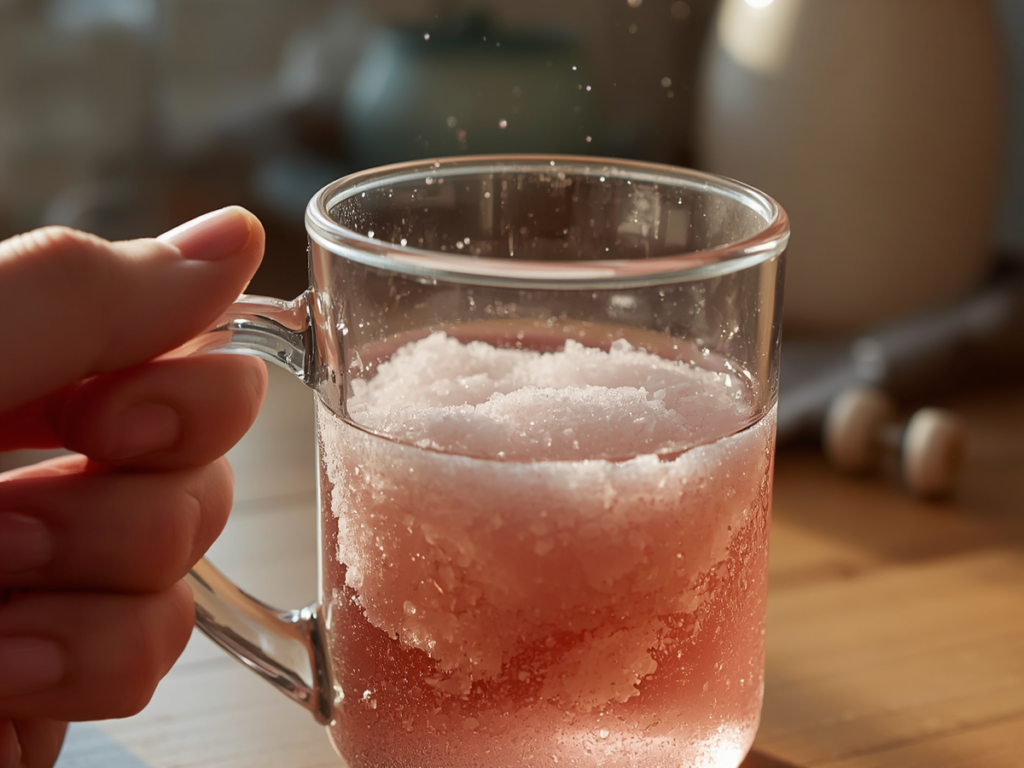
This guide takes an evidence-based look at what this drink actually does, how to prepare it correctly, who should be cautious, and how it fits into a broader approach to health and hydration.
What Is the Himalayan Pink Salt Morning Drink?
At its simplest, this drink combines a small quantity of fine-ground Himalayan pink salt with warm water and lemon juice. It is consumed first thing in the morning, typically before eating, coffee, or other beverages. Variations exist online, but the core recipe remains consistent across most versions.
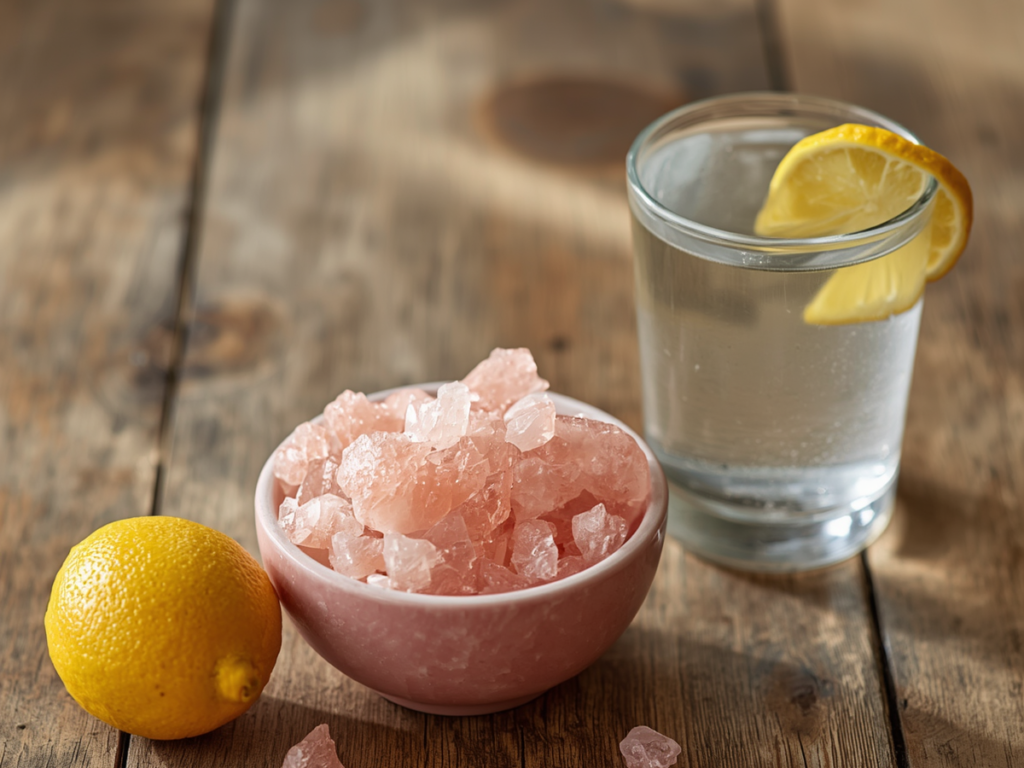
The drink is valued primarily for its electrolyte content and hydration support, particularly during periods of fasting when the body may lose sodium and other minerals through respiration and light activity overnight.
Preparation Recipes
Version 1: Fasting-Compatible (No Calories)
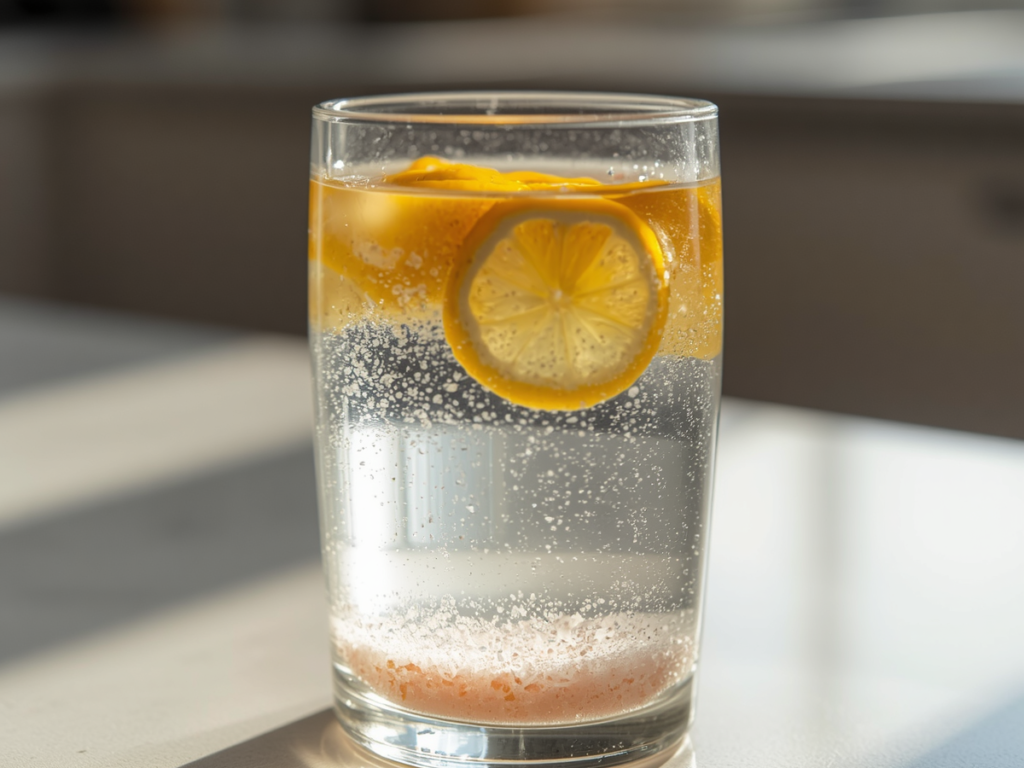
This version is appropriate for those observing intermittent fasting windows, as it contains no macronutrients that would interrupt a fast.
| Ingredient | US Measurement | Metric |
| Warm filtered water | 8 fl oz | 240 ml |
| Fine-ground Himalayan pink salt | 1/8 to 1/4 teaspoon | 0.75 to 1.5 g |
| Freshly squeezed lemon juice | 1 tablespoon | 15 ml |
Preparation steps:
- Warm filtered water to approximately 100-110 degrees Fahrenheit (38-43 degrees Celsius).
- Dissolve the salt thoroughly by stirring.
- Add the lemon juice and stir once more.
- Drink slowly and allow 10 to 15 minutes before consuming food or coffee.
Sodium reference: 1/8 teaspoon delivers roughly 290 mg of sodium; 1/4 teaspoon delivers approximately 580 mg.
Version 2: Post-Workout or Fed-State Variant
For use outside fasting windows, such as after morning exercise or as a mid-morning energy support:
- 8 fl oz (240 ml) warm filtered water
- 1/4 teaspoon fine-ground pink salt
- 1 tablespoon fresh lemon juice
- 1/2 teaspoon raw honey (optional; breaks a fast if used)
- Small pinch of cayenne pepper (optional)
Total preparation time: approximately one minute. Cost per serving: under $0.30.
Himalayan Pink Salt vs. Regular Table Salt
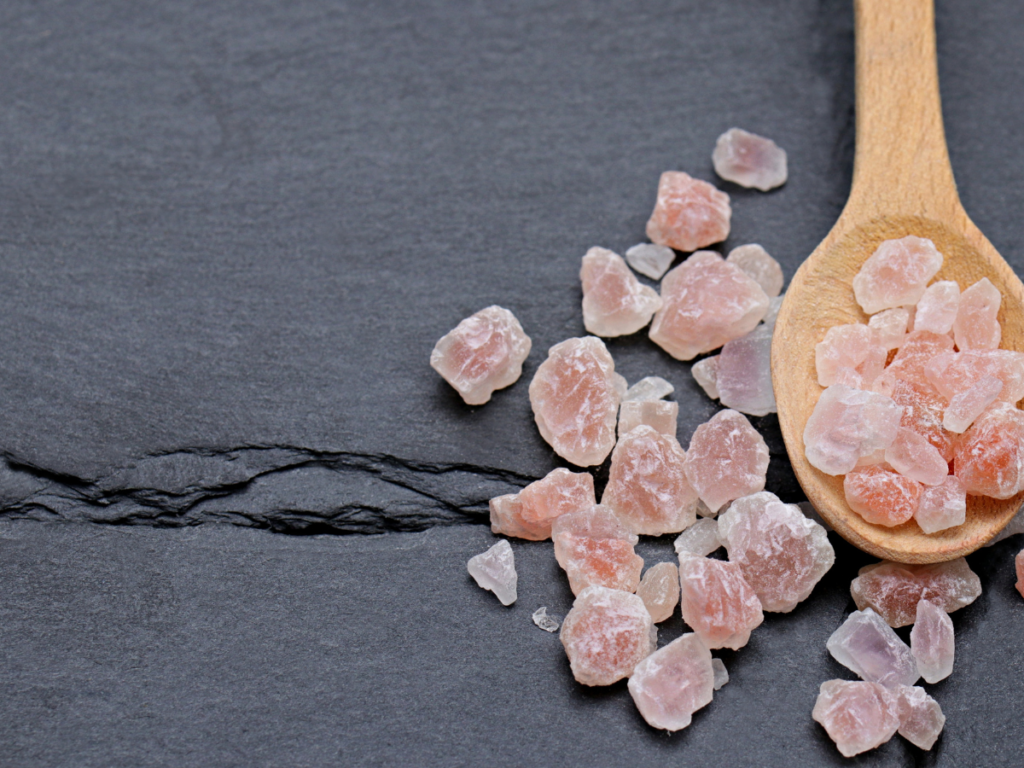
Himalayan pink salt is composed primarily of sodium chloride, just like table salt. Its characteristic pink color comes from small quantities of iron oxide. It may also contain trace amounts of other minerals such as potassium, magnesium, and calcium.
However, these trace minerals appear in quantities far too small to contribute meaningfully to daily nutritional needs. From a dietary standpoint, Himalayan pink salt and regular table salt are nearly equivalent in composition and effect on the body.
One notable difference: most pink salt products are not iodized. People who rely on salt as their primary iodine source should ensure they obtain iodine through other dietary means, such as dairy products, eggs, fish, or seaweed.
Does This Drink Support Weight Loss?
There is currently no peer-reviewed scientific evidence indicating that a pink salt and lemon water drink produces direct fat loss, metabolic acceleration, or detoxification effects. Registered dietitians and nutrition researchers consistently confirm that no credible mechanism exists by which salt water could trigger meaningful fat burning.
When individuals do report weight changes after adopting this routine, the likely explanations include:
- Replacing high-calorie morning beverages such as sweetened coffees or juices with a zero-calorie drink.
- Improved overall hydration, which can reduce false hunger signals and lower total food intake.
- Short-term shifts in water balance due to electrolyte normalization, not actual fat reduction.
- Unintentional calorie reduction if the drink is used in place of a meal.
Any scale changes observed in the first few days typically reflect water weight fluctuations rather than changes in body fat.
What This Drink Can Genuinely Offer
1. Hydration Support After Sleep
The body loses fluids through breathing and minor perspiration during overnight rest. Consuming a warm electrolyte drink first thing in the morning can help restore hydration levels efficiently. Sodium assists the body in retaining absorbed fluid rather than passing it through quickly.
2. Digestive Comfort
Warm water combined with lemon juice may support gastric movement and bowel regularity. Many people report reduced morning bloating and a more comfortable start to digestion when they begin the day with this drink.
3. Reduction in Morning Fatigue
Mild dehydration, which can occur overnight, is a common but overlooked contributor to morning headaches, low energy, and difficulty concentrating. Restoring hydration and electrolytes with this drink may help reduce these symptoms.
4. Fasting Compatibility
Because this drink contains no protein, fat, or carbohydrates in meaningful quantities, it does not interrupt metabolic fasting states. Those following time-restricted eating protocols can use it to maintain electrolyte stability and reduce discomfort such as lightheadedness or muscle cramping during fasting periods.
Safety Considerations
For most healthy adults, consuming 1/8 to 1/4 teaspoon of pink salt in water once per day is generally considered safe. However, several groups should exercise caution or avoid this practice:
| Who Should Be Cautious | Reason |
| People with high blood pressure | Additional sodium can increase fluid volume and elevate blood pressure readings |
| Individuals with kidney disease | Compromised kidneys may struggle to regulate sodium levels effectively |
| Those with heart conditions | Excess sodium increases cardiovascular workload |
| Anyone on a sodium-restricted diet | This drink would add to an already limited sodium allowance |
| People taking diuretics or blood pressure medications | These drugs affect fluid and electrolyte regulation |
Important context on sodium: Major health organizations recommend that most adults keep daily sodium intake at or below 2,300 mg, with lower targets for those with cardiovascular risk factors. A single 1/4 teaspoon serving of pink salt accounts for approximately one-quarter of that daily allowance. Individuals already consuming a sodium-heavy diet should factor this in carefully.
For those sensitive to sodium, adding this drink could paradoxically increase water retention rather than improve hydration comfort.
Pink Salt Drink vs. Sole Water: Key Differences
These two preparations are sometimes confused but differ significantly in concentration and preparation method.
| Feature | Pink Salt Morning Drink | Sole Water |
| How it’s made | Mixed fresh each morning | Salt solution saturated over 24 hours in a sealed jar |
| Salt quantity | 1/8 to 1/4 teaspoon per glass | 1 teaspoon of concentrated solution diluted per glass |
| Time to prepare | Under 2 minutes | 24 hours minimum |
| Typical use | Daily morning hydration routine | Periodic mineral supplementation |
Sole water is highly concentrated and must always be diluted before drinking. It should never be consumed undiluted.
Optimal Timing
Morning (Recommended)
Drinking this on an empty stomach allows rapid absorption of the electrolytes. The 10 to 15 minute wait before eating or drinking coffee gives the body time to absorb the fluid and allows lemon’s mild digestive effects to take hold.
Before Morning Exercise
For those who train in a fasted state, consuming this drink beforehand may help sustain hydration and electrolyte balance during the workout, potentially reducing the likelihood of early fatigue or cramping.
Evening Use (Use Caution)
Some individuals use a smaller amount of the drink before sleep to address muscle cramps or overnight hydration. If trying this, reduce the salt to approximately 1/8 teaspoon and pay attention to how your body responds, as excess sodium before sleep may disrupt fluid balance for some people.
Common Mistakes and How to Avoid Them
| Mistake | Better Approach |
| Using cold water | Always use warm water to ensure the salt dissolves fully |
| Starting with too much salt | Begin with 1/8 teaspoon and adjust based on tolerance |
| Adding honey while fasting | Omit honey entirely during fasting windows |
| Eating immediately after | Wait 10 to 15 minutes before consuming food or coffee |
| Using coarse salt granules | Use only fine-ground pink salt for proper dissolution |
Evidence-Based Alternatives for Weight Management
If reducing body weight is your primary goal, the following approaches have consistent scientific support and will produce far more meaningful results than any single morning drink:
| Strategy | Why It Works |
| Drinking plain water | Maintains hydration without adding sodium |
| Eating a protein-rich breakfast | Protein promotes sustained satiety and reduces mid-morning snacking |
| Increasing dietary fiber | Fiber slows digestion, extends fullness, and supports gut health |
| Regular physical activity | Directly increases caloric expenditure and supports metabolic function |
| Prioritizing quality sleep | Poor sleep disrupts hunger-regulating hormones like ghrelin and leptin |
| Practicing mindful eating | Attention to hunger and fullness cues reduces unnecessary calorie intake |
Summary
The Himalayan pink salt morning drink is a simple, inexpensive, and generally harmless hydration habit that can be a useful addition to morning routines, particularly for those practicing intermittent fasting. Its genuine benefits include supporting electrolyte balance, easing morning hydration, and providing digestive comfort.
What it cannot do is burn fat, accelerate metabolism, or detoxify the body. Its mineral content, while real, is nutritionally insignificant at the quantities used. Any weight changes attributed to this drink are almost certainly the result of broader behavioral changes, not the drink itself.
Plain water achieves many of the same hydration benefits without the added sodium, making it the safer default for most people. Those with high blood pressure, kidney disease, heart conditions, or sodium-sensitive health profiles should consult a healthcare provider before introducing this drink.
Sustainable improvements to body weight and overall health come from consistent, well-rounded habits: a balanced diet, regular movement, adequate rest, and mindful attention to how you eat. No single ingredient or morning ritual can substitute for these fundamentals.
Related Articles
If you’re exploring more evidence-based wellness topics and want to understand how popular health trends actually work, you may also find these guides helpful:
- Pink Salt Weight Loss Guide: A detailed breakdown of the viral pink salt trick, its real effects on weight management, and what science says about it — https://mimilovescooking.com/pink-salt-weight-loss/
- Lemon Balm for Weight Loss: An in-depth look at whether lemon balm supports weight loss, how it may influence stress and digestion, and its indirect effects on metabolism and appetite — https://mimilovescooking.com/lemon-balm-weight-loss/
References
- Ro Health. Pink salt trick for weight loss: Myth or fact? https://ro.co/weight-loss/pink-salt-trick/
- Noom. Pink Himalayan salt weight loss trick: Does it really work? https://www.noom.com/blog/weight-management/pink-himalayan-salt-trick-recipe/
- Verywell Health. Does lemon water with pink salt help weight loss? https://www.verywellhealth.com/pink-salt-trick-11790052
- Missouri State University News. The truth about pink salt and weight loss. https://news.missouristate.edu/2025/08/22/pink-salt-and-weight-loss/
- TODAY. ). Does the pink salt trick help you lose weight? Dietitians explain. https://www.today.com/health/diet-fitness/pink-salt-trick-rcna226084