
What Is Lemon Balm? (And Its Role in Weight Management)
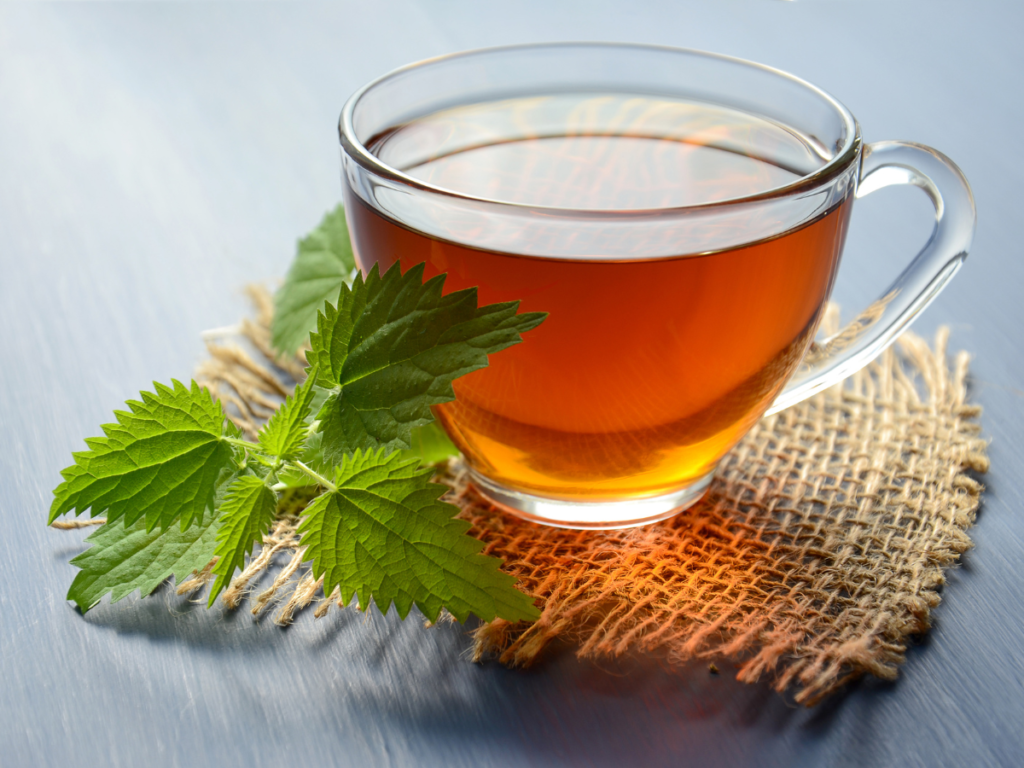
Lemon balm (Melissa officinalis) is a lemon-scented herb from the mint family that has been traditionally used for calming and digestive support.
It is commonly consumed as tea, capsules, or infused water. While it is often mentioned in weight loss discussions, lemon balm does not directly burn fat or increase metabolism.
Instead, its relevance to weight management comes from its ability to support relaxation, sleep quality, and digestive comfort, which may indirectly influence eating habits and lifestyle balance.
Table of Contents
Does Lemon Balm Help with Weight Loss?

There is no scientific evidence that lemon balm directly causes weight loss or fat reduction.
It does not:
- Burn body fat
- Suppress appetite hormones
- Increase metabolic rate
However, research suggests it may support:
- Stress reduction
- Sleep improvement
- Mild digestive comfort
These effects do not produce direct weight loss but may help create healthier daily habits that support weight control over time.
How Lemon Balm May Support Healthy Weight Goals Indirectly

Lemon balm does not act on fat metabolism. Instead, it may support factors that influence long-term weight management.
Stress and Emotional Eating
High stress levels can increase cravings for high-calorie foods. Lemon balm may help promote calmness, which can reduce stress-related eating behaviors.
Sleep and Appetite Regulation
Poor sleep is linked with increased hunger and cravings. Lemon balm is often used to support relaxation before bedtime, which may improve sleep quality and help regulate appetite signals.
Digestion and Comfort
Lemon balm is sometimes used to ease mild digestive discomfort and bloating, which can contribute to a feeling of lightness and well-being.
Best Ways to Use Lemon Balm for Wellness and Weight Support
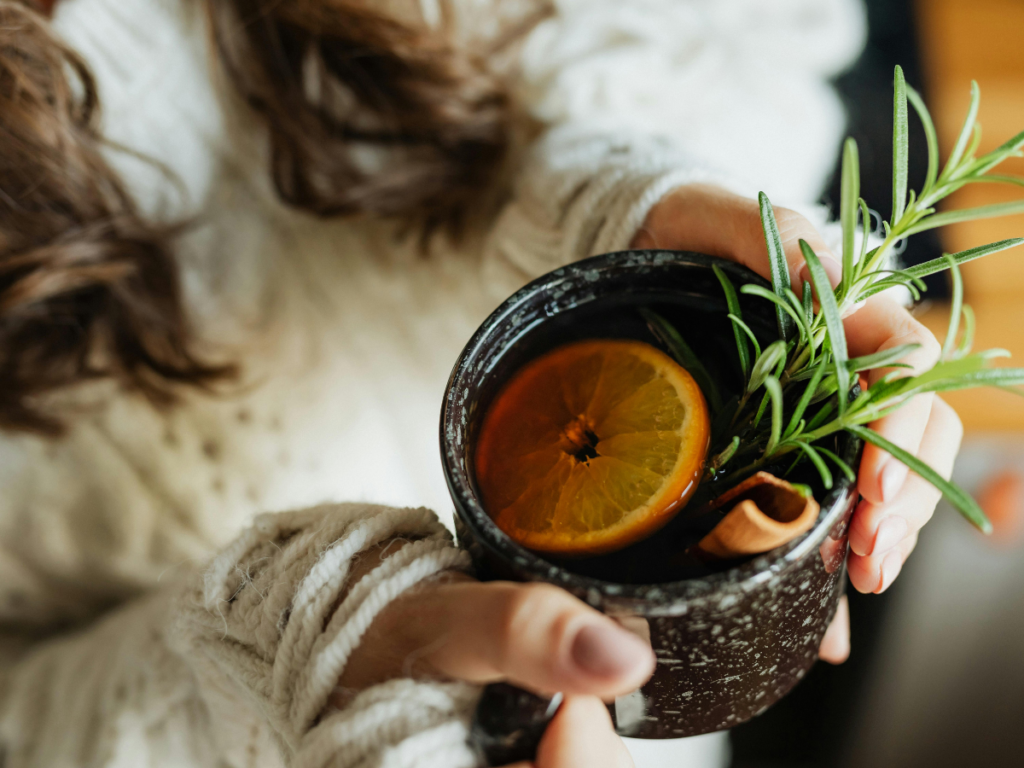
Lemon balm can be used in simple daily routines.
Tea
Steep dried leaves in hot water for 5–10 minutes. It is commonly consumed 1–3 times daily, especially in the evening.
Cold Infusion
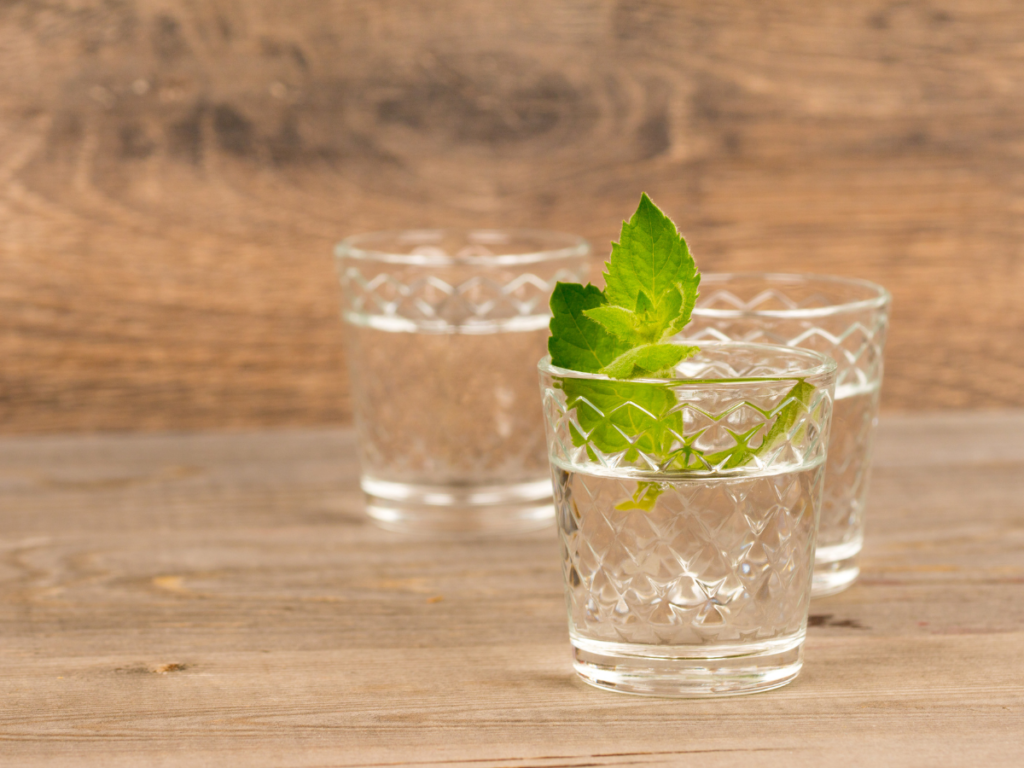
Fresh leaves can be added to water and left overnight for a mild, refreshing drink.
Smoothies or Herbal Blends
Small amounts can be added to smoothies for flavor and mild calming effects.
Supplements
Available in capsule or extract form, but should be used cautiously due to higher concentration.
Safety, Side Effects, and Who Should Avoid Lemon Balm
Lemon balm is generally safe when consumed in moderate food or tea amounts.
Possible side effects include:
- Drowsiness
- Mild nausea in rare cases
- Digestive sensitivity
Caution is advised for:
- Pregnant or breastfeeding individuals
- People with thyroid conditions
- People taking sedatives or sleep medication
Important Precautions Before Using Lemon Balm Supplements
- Avoid high-dose supplements without medical advice
- Start with small amounts when trying for the first time
- Do not combine with strong sedatives or calming herbs
- Do not rely on supplements for weight loss results
Frequently Asked Questions About Lemon Balm and Weight Loss
Does lemon balm burn fat?
No. Lemon balm does not burn fat or directly reduce body weight.
Can it reduce belly fat?
There is no scientific evidence supporting fat loss from lemon balm.
When is the best time to drink lemon balm tea?
Evening is most common for relaxation and sleep support.
Is lemon balm safe for daily use?
Yes, in moderate amounts such as 1–3 cups of tea per day for most healthy adults.
Editorial Standards: How We Research and Update This Guide
This content is based on publicly available research from recognized medical and scientific sources, including:
- National Institutes of Health (NIH)
- Mayo Clinic
- Cleveland Clinic
- PubMed research studies
The information is written in a neutral, educational format and does not replace medical advice. Content is reviewed periodically to ensure accuracy and safety.
References and Scientific Sources
NIH (LiverTox): Melissa officinalis safety and pharmacology overview
Mayo Clinic: Herbal approaches to anxiety and sleep support
Cleveland Clinic: Overview of lemon balm benefits and uses
PubMed: Clinical research on lemon balm effects on sleep and anxiety
Drugs.com: Herbal usage, dosage, and safety information