

Introduction
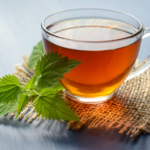
If you’ve spent any time on social media lately, you’ve likely encountered the “pink salt trick”—a morning drink made with Himalayan pink salt, warm water, and sometimes lemon, promoted as a natural way to lose weight, boost metabolism, and reduce bloating. Some even describe it as a natural alternative to weight-loss medications.
Pink salt (Himalayan pink salt) originates from the Khewra Salt Mine in Punjab, Pakistan, formed from ancient sea deposits over 250 million years ago.
But does this trend actually work? This guide separates proven facts from popular myths and provides safe-use advice for anyone curious about trying it.
What Is Pink Himalayan Salt?
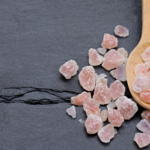
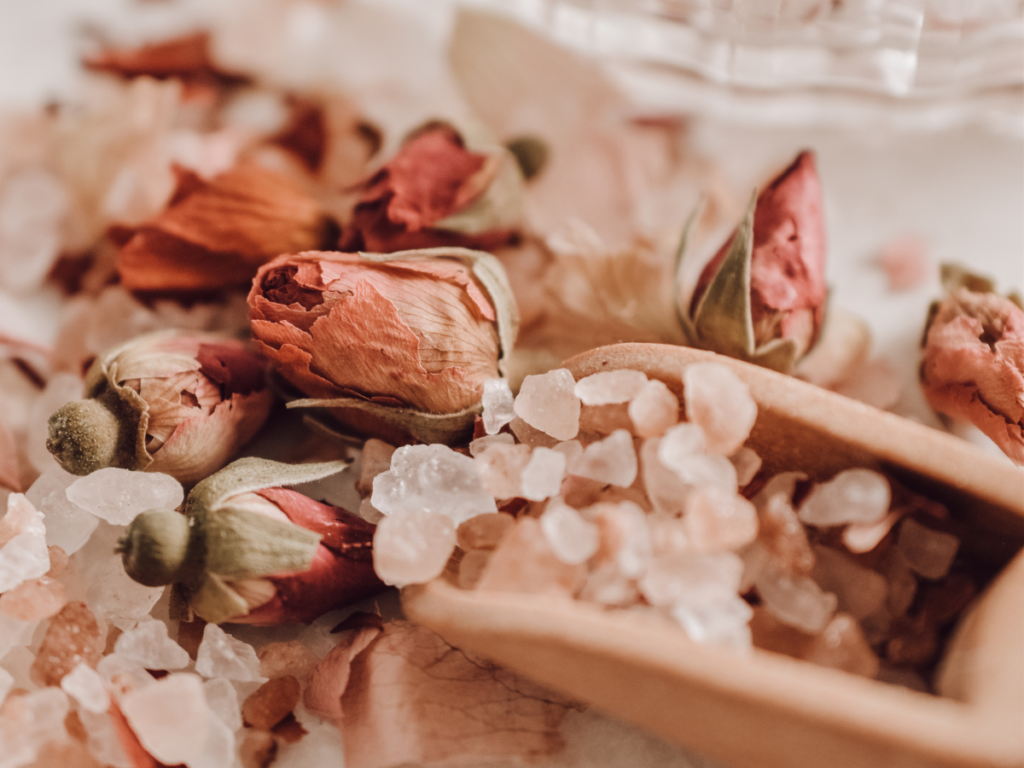
Pink Himalayan salt is a natural rock salt mined from regions near the Himalayas. Its pink color comes from iron oxide along with trace minerals like calcium, magnesium, and potassium.

Unlike regular table salt, which is heavily processed and may include added iodine and anti-caking agents, pink salt is less refined. This has helped build its reputation as a healthier option, although that claim is often exaggerated.
The Proven Facts: What Science Says
No Scientific Evidence for Weight Loss
There is no reliable scientific evidence that pink salt or salt water directly causes weight loss. It does not increase fat burning or significantly boost metabolism.
Table of Contents
Any weight loss people notice is usually due to simple factors such as drinking more water, reducing sugary drinks, or temporary changes in water weight.
The Trace Minerals Myth
Pink salt does contain small amounts of minerals, but these are present in extremely tiny quantities. Nutritionally, it is almost the same as regular salt, and the mineral content is too low to provide meaningful health benefits.
Similar to Regular Salt
From a health perspective, pink salt and table salt are nearly identical. Both are primarily made up of sodium chloride and should be consumed in moderation.
The Risks: Why Safe Use Matters
High Sodium Intake
Adding salt water to your routine can increase your daily sodium intake. Too much sodium can negatively affect your overall health if consumed regularly.
Water Retention and Bloating
Although some claim it reduces bloating, excess sodium can actually cause the body to retain water, leading to puffiness and discomfort.
Heart Health Concerns
High sodium intake can place extra strain on the heart and may contribute to increased blood pressure over time.
Lack of Iodine
Unlike iodized salt, pink salt does not provide iodine, which is important for thyroid function and energy regulation.
Who Should Avoid It
People with certain health conditions should be cautious, including those with high blood pressure, kidney issues, or heart-related concerns. It is also not suitable for individuals on low-sodium diets.
Safe Use Guidelines
Simple Recipe
- Warm or room-temperature water
- A very small pinch of pink Himalayan salt
- Optional: a squeeze of lemon for taste
Best Practices
Drink it once a day, preferably in the morning. Follow it with a balanced meal and pay attention to how your body responds.
What to Avoid
Do not consume large amounts of salt or drink it multiple times a day. It should not replace meals or be used as a primary weight-loss method.
Better Alternatives for Weight Loss
For long-term results, focus on proven habits:
- Drink enough plain water daily
- Eat balanced, nutrient-rich meals
- Include protein and fiber in your diet
- Stay physically active
- Get enough sleep
- Practice mindful eating
The Bottom Line
Pink Himalayan salt is not a weight-loss solution. It does not burn fat, speed up metabolism, or detox the body. While it can be part of a simple morning hydration routine, it offers no special advantage over regular water.
Real and lasting weight loss comes from consistent healthy habits, not trending shortcuts. A balanced lifestyle will always deliver better results than any single ingredient or quick fix.
Here are 5 key references that support the information in the article:
- Mayo Clinic News Network. (2023, March 28). Mayo Clinic Minute: Is Himalayan sea salt a healthy alternative? https://newsnetwork.mayoclinic.org
- American Heart Association. (2025, July 15). How much sodium should I eat per day? https://www.heart.org
- Harvard Health. (2025). Diet and nutrition – Sodium. https://www.health.harvard.edu
- Medical News Today. (2018, July 30). Pink Himalayan salt: Does it have any health benefits? https://www.medicalnewstoday.com
- Verywell Health. (2025, August 20). Does lemon water with pink salt help weight loss? https://www.verywellhealth.com