
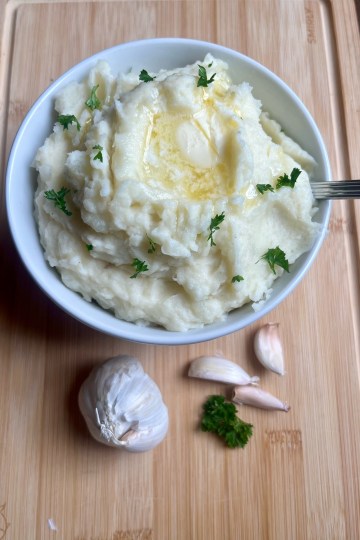

I’ve made mashed potatoes more times than I could ever count over the last 40 years. They were one of the first side dishes I learned to make well, back when I was still cooking for a house full of picky kids, and they’ve stayed in my rotation ever since for one simple reason — everybody eats them.
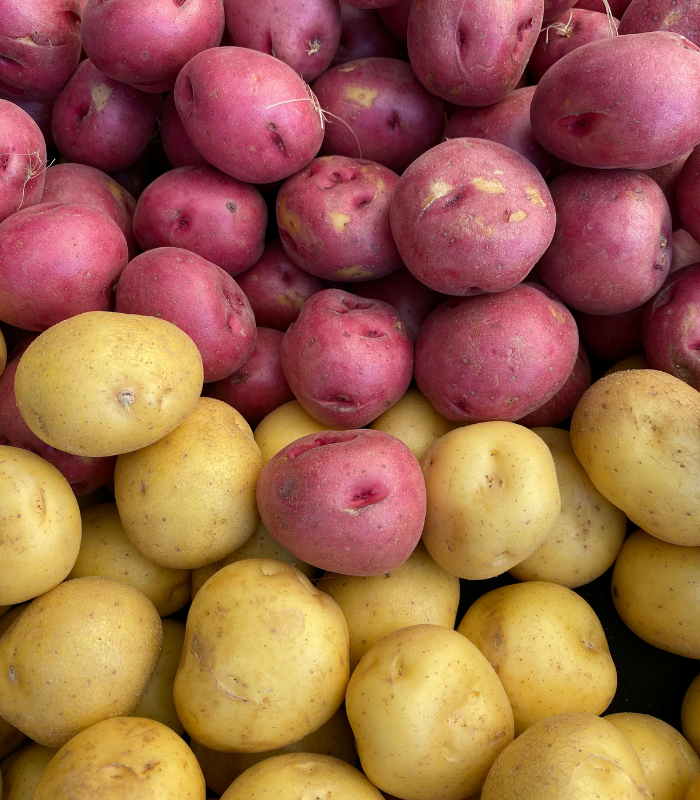
But plain mashed potatoes, as much as I love them, started to feel like the side dish I made because I had to, not because I wanted to. So somewhere along the way, I started experimenting with garlic, just to see how much it could change something I’d made a thousand times before.
Table of Contents
What Years of Making This Side Dish Have Taught Me
The first few times I added garlic, I threw it in raw, straight into the pot with everything else. It worked, but the flavor was sharp and a little uneven — some bites tasted strongly of garlic, others barely at all. It took a few more attempts before I landed on sautéing the garlic in butter first, low and slow, until it turned soft and fragrant. That one change made all the difference. The garlic flavor spreads evenly through every bite instead of hitting you in random spots, and it blends into the creaminess instead of fighting against it.
I’ve also gone back and forth on milk versus cream more times than I’d like to admit. Milk gives you a lighter, more everyday mashed potato. Cream makes them noticeably richer, closer to what you’d get at a steakhouse. I switch between the two depending on what the meal calls for — milk for a regular weeknight, cream when I’m making something a little more special, like a holiday dinner or when we have company over.
Roasting the garlic instead of sautéing it is another variation I picked up after years of making this recipe. It takes longer, but the flavor turns sweeter and mellower, less sharp than sautéed garlic. I tend to save that version for when I have the extra time, since sautéing gets you most of the way there in a fraction of the time.
What I’ve come to appreciate most about this recipe, after making it so many different ways, is how forgiving it is. I’ve under-mashed it, over-mashed it, forgotten the sour cream, doubled the garlic by accident — and it’s never once been a disaster. That’s part of why it’s become one of my most-repeated sides. It’s hard to get wrong, but there’s still enough room to make it your own.
Why This Version Works
- The garlic-butter step is non-negotiable for me now. After trying it both raw and sautéed, sautéing is the only way I make this anymore. It takes two extra minutes and completely changes the result.
- Fork-tender potatoes matter more than people think. I’ve rushed this step before, pulling the potatoes off the heat a few minutes early because I was in a hurry, and ended up with lumpy mashed potatoes no amount of mashing could fix. I always test a piece with a fork before draining now.
- Sour cream is worth keeping in, even as an optional step. I skipped it for years, and while the potatoes were still good, adding it back in gave them a slight tang that rounds out the richness of the butter. I rarely leave it out anymore.
- This is one of the few sides I trust with almost any main dish. Over the years I’ve served it alongside steak, roasted chicken, grilled fish, even holiday turkey, and it’s never been the wrong choice.
Ingredients
- 2 lbs potatoes, peeled and cut into chunks
- 4 cloves garlic, minced
- 1/2 cup milk
- 1/4 cup butter
- 1/2 tsp salt
- 1/2 tsp black pepper
- 2 tbsp sour cream (optional)
- 2 tbsp fresh parsley, chopped (optional)
Directions
- Bring a large pot of salted water to a boil. Add the potatoes and cook for about 15–20 minutes, or until fork tender. Don’t rush this step — I’ve learned that undercooked potatoes are the number one cause of lumpy mashed potatoes, no matter how well you mash them after.
- While the potatoes are cooking, sauté the minced garlic in butter over low heat for 1–2 minutes, until fragrant. Keep a close eye on it here. Garlic goes from perfectly golden to burnt in a matter of seconds, and burnt garlic will make the whole dish taste bitter.
- Drain the cooked potatoes and return them to the pot. Mash them with a potato masher until smooth.
- Add the milk, garlic butter mixture, salt, and black pepper. Continue mashing until the potatoes are creamy and well combined.
- Stir in sour cream if using, for extra richness. Taste and adjust the seasoning as needed — I almost always add a little more salt at this stage than the recipe calls for.
- Serve warm, garnished with fresh parsley if desired.
Notes From My Kitchen
- For extra creamy texture, swap the milk for heavy cream. This is my go-to move whenever I’m making this for a holiday meal or dinner guests.
- Roasting the garlic instead of sautéing gives you a deeper, sweeter flavor. I use this method when I have the extra 30–40 minutes to spare; sautéing is my everyday shortcut.
- These pair beautifully with steak, chicken, or grilled fish — in my experience, there’s really no main dish this side doesn’t work with.
- Leftovers keep well in an airtight container in the fridge for up to 3 days. I usually reheat mine with a splash of milk stirred in to bring back the creaminess.
After all these years and all the versions I’ve tried, this is the garlic mashed potato recipe I keep coming back to. It’s simple enough to make on a Tuesday and good enough to serve on a holiday table — and to me, that’s exactly what a great side dish should be.