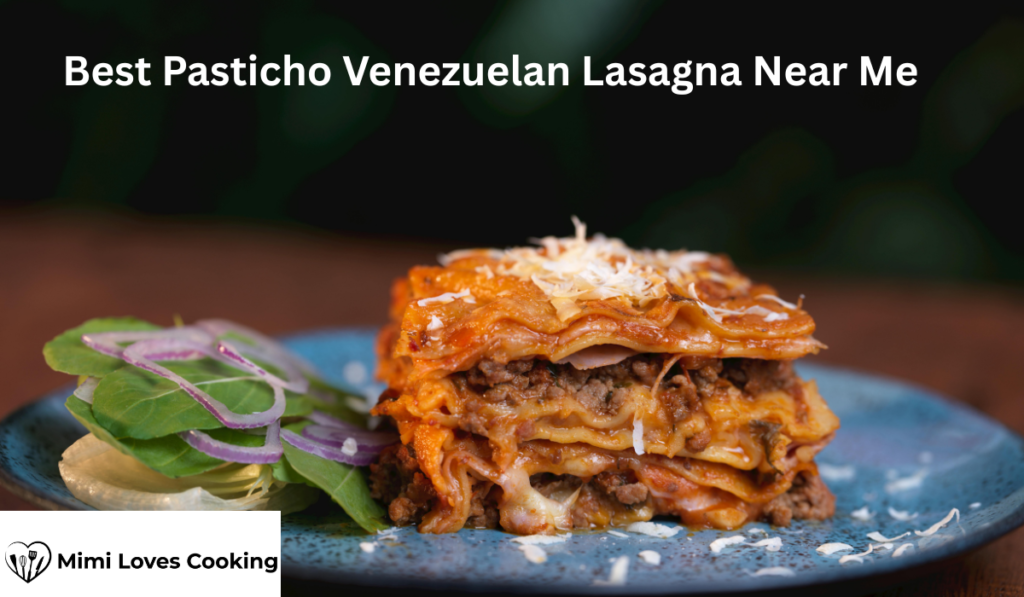

When people think of baked pasta layered with cheese and meat sauce, Italian lasagna comes to mind. But Venezuela has its own version – Pasticho – and it’s richer, creamier, and packed with bold Latin American flavors.
This article explores everything you need to know about Pasticho:
- Its surprising origins
- How it differs from traditional lasagna
- Key ingredients that make it unique
- Why it holds a special place in Venezuelan cuisine
Let’s dig in.
Pasticho vs. Lasagna: What’s the Difference?
At first glance, Pasticho looks like lasagna. Both have:
- Flat pasta sheets
- Layered meat sauce
- Multiple cheeses
- Baked until bubbly
But the similarities end there. Here’s the real breakdown:
| Feature | Traditional Italian Lasagna | Venezuelan Pasticho |
|---|---|---|
| Cheese base | Ricotta (grainy, mild) | Queso blanco + mozzarella (creamy, slightly salty) |
| Béchamel | Sometimes, thin layer | Always – thick, nutmeg-scented, generous |
| Meat sauce | Ragù (slow-cooked beef/pork) | Ground beef seasoned with cumin, olives, capers |
| Pasta texture | Al dente, firm | Soft, almost melts with the béchamel |
| Baking style | Large family tray | Often in individual ramekins for crispy edges |
Key point: If lasagna is a rustic Italian classic, Pasticho is its velvety, indulgent Venezuelan cousin.
The Surprising Origin of Pasticho
Despite being a national favorite in Venezuela, Pasticho isn’t indigenous. It evolved from Italian lasagna brought by European immigrants – mainly Italians and Spanish – who settled in Venezuela during the 20th century.
However, Venezuelan home cooks adapted the recipe using local ingredients:
- Queso blanco (fresh white cheese) instead of ricotta
- Cumin – a staple in Latin American cooking
- Olives and capers – common in Venezuelan stews (like carne mechada)
The name itself, Pasticho, comes from the Italian pasticcio (meaning “a mess” or “mixed dish”) – fitting for a dish where simple ingredients come together into something extraordinary.
Today, Pasticho is a Sunday family meal and a comfort food icon in Venezuela, often served alongside white rice and fried plantains (tajadas).
What Makes Pasticho Unique? Key Ingredients & Techniques
To truly understand Pasticho, you need to know its four signature components.
1. Béchamel – The Star Layer
Italian white sauce (besciamella) is thin and used sparingly. Venezuelan béchamel is thick, rich, and generously spread between every layer. It’s made with:
- Butter
- Flour
- Whole milk (or evaporated milk for extra creaminess)
- Nutmeg and white pepper
This béchamel gives Pasticho its signature melt-in-your-mouth texture.
2. Meat Sauce with a Latin Twist
Pasticho’s carne molida (ground beef) is seasoned with:
- Cumin (earthy, warm)
- Paprika
- Garlic and onions
- Green olives stuffed with pimientos
- Capers (adds tangy, briny notes)
This unique combination makes Pasticho savory, slightly tangy, and deeply aromatic – nothing like plain Italian ragù.
3. Cheese Blend: No Ricotta
Instead of grainy ricotta, Pasticho uses:
- Queso blanco or queso duro (semi-hard, salty)
- Mozzarella for stretch
- Parmesan for umami
These cheeses melt into the béchamel, creating a silky, cohesive bite.
4. Pasta Preparation
Venezuelan cooks often pre-boil pasta sheets until very soft (not al dente). Why? Because the extra moisture absorbs the creamy béchamel and meat juices, making every forkful velvety, not dry.
How Pasiticho Is Served in Venezuela
In Venezuela, Pasticho is rarely a simple weeknight dinner. It’s weekend or celebration food. Typical accompaniments include:
- White rice (to balance the richness)
- Fried sweet plantains (tajadas) – the sweetness contrasts the salty, savory pasticho
- Grated cheese on top
- A fresh ensalada de repollo (cabbage slaw with lime)
And of course, a glass of maltín (non-alcoholic malt soda) or papelón con limón (sugarcane limeade).
Easy Pasticho Recipe (Simplified for Home Cooks)
Want to try Pasticho without hunting down rare ingredients? Here’s a home-friendly version.
Ingredients (serves 4–6)
Meat sauce:
- 500g ground beef
- 1 onion, finely diced
- 3 garlic cloves, minced
- 1 tsp ground cumin
- ½ cup green olives, chopped
- 2 tbsp capers
- 2 cups tomato sauce
- Salt, pepper to taste
Béchamel:
- 4 tbsp butter
- 4 tbsp flour
- 3 cups whole milk
- ½ tsp nutmeg
Cheese:
- 1½ cups mozzarella, shredded
- ½ cup queso blanco or parmesan, grated
Pasta:
- 12 lasagna noodles (no-boil or regular)
Instructions
- Meat sauce – Sauté onion and garlic, add beef and cumin. Cook until browned. Stir in olives, capers, and tomato sauce. Simmer 15 min.
- Béchamel – Melt butter, whisk in flour, cook 2 min. Slowly add milk, whisk constantly until thick. Add nutmeg.
- Boil pasta (if using regular) until very soft – past al dente. Drain.
- Assemble in a baking dish:
- Thin layer of béchamel
- Pasta sheets
- Meat sauce
- Béchamel
- Cheese blend
- Repeat layers, ending with cheese on top.
- Bake at 375°F (190°C) for 25–30 minutes until golden and bubbly.
- Rest for 10 minutes before serving.
Why Pasticho Deserves a Spot in Global Cuisine
Pasticho isn’t “just lasagna.” It’s a symbol of Venezuelan creativity – taking a European classic and transforming it with local ingredients, spices, and love.
Whether you make it at home or find it at a Venezuelan restaurant, Pasticho offers:
- Comfort food depth
- Bold, tangy flavors from olives and capers
- Luxurious creaminess from béchamel
- A taste of Latin American fusion at its best
Final Thoughts
If you only know lasagna, you’re missing out. Pasticho Venezolano delivers a richer, creamier, more aromatic experience that deserves to be known worldwide.
Now you understand:
- What Pasticho is
- How it differs from Italian lasagna
- The cultural roots and key ingredients
- And how to make a simple version at home
Ready to try it? Your next culinary adventure awaits.