
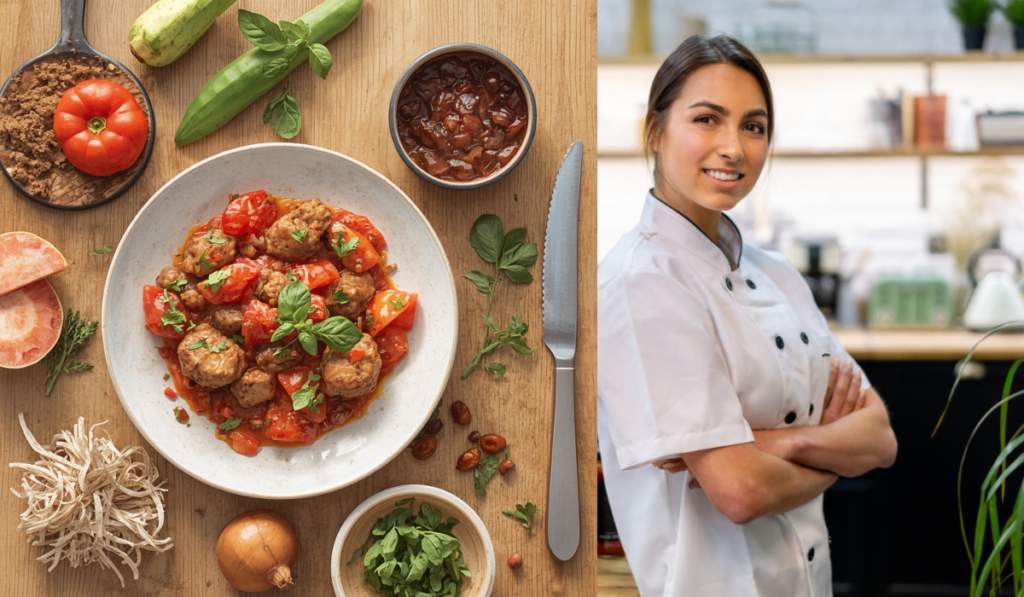

Whether you’ve just discovered fojatosgarto at a local restaurant or stumbled upon it in a recipe book, you’re probably wondering: how difficult is it to make at home? This guide breaks down everything — from skill level and prep time to common mistakes and pro tips.
What Is Fojatosgarto?
Fojatosgarto is a layered, slow-cooked dish celebrated for its depth of flavor and complex texture. Often described as a crossroads between a braised stew and a stuffed preparation, it relies on the careful balance of aromatics, slow heat, and resting time to develop its signature taste profile.
Its name originates from a regional culinary tradition where long cooking times and multi-step preparation were considered signs of a skilled home cook. Today, it has moved from rustic kitchens into modern food culture, attracting attention from food enthusiasts who want to replicate its restaurant-quality results at home.
45–90Prep time (minutes)
2–3Cooking hours
MediumSkill level
4–6Servings typical
Difficulty Level — Honest Assessment
To directly answer the question: fojatosgarto is moderately difficult, but not impossibly so. It is not a dish you can throw together in 20 minutes, but with patience and the right guidance, even a motivated beginner can produce a satisfying result on their first or second attempt.
The challenge lies not in any single complicated technique, but in managing several things simultaneously — temperature control, timing across multiple components, and seasoning at different stages. Experienced cooks will find it approachable; beginners should plan for more time and a trial run before cooking for guests.
Skill Tip
If you’ve successfully made a braise or a layered casserole before, you already have about 60% of the skills fojatosgarto requires. The rest is learning its unique flavor-building sequence.
What Makes It Challenging
- Multiple cooking stages that must be completed in the right order
- Sensitive to heat — too high and the texture breaks down
- Layering flavors correctly takes practice to master
- Resting time is critical and often skipped by impatient beginners
- Some specialty ingredients may require advance sourcing
What Makes It Manageable
- No advanced knife skills or specialized equipment needed
- Most steps can be prepared ahead of time
- The recipe is forgiving if you follow temperatures carefully
- Common substitutions exist for hard-to-find ingredients
Key Ingredients & Sourcing
The ingredient list for fojatosgarto falls into two categories: pantry staples you almost certainly already own, and a handful of specialty items that define its distinctive character. Getting the specialty items right is half the battle.
Core Ingredients
- Main protein or base layer (typically slow-cooking cuts)
- Aromatic base: onion, garlic, celery, and regional spices
- Acid component — vinegar or citrus to brighten the sauce
- Fat for cooking — traditionally animal fat or olive oil
- Liquid for braising — stock, wine, or a combination
Specialty Items
The true flavor signature of fojatosgarto comes from a specific blend of dried spices and a regional fermented or aged condiment used during the resting phase. These can often be found at specialty grocery stores, international markets, or ordered online. Don’t skip them — they make a noticeable difference in the final dish.
Ingredient Note
Substituting low-quality stock or skipping the acid component are the two most common reasons homemade fojatosgarto tastes flat. Invest in good-quality versions of these two ingredients in particular.
Step-by-Step Cooking Process
Here is the general sequence followed in most traditional and modern recipes for fojatosgarto. Individual recipes will vary, but this framework reflects the standard approach:
- Prepare and season your base ingredients— Season your main component generously and allow it to rest at room temperature for 20–30 minutes before cooking begins. This promotes even cooking.
- Build your aromatic foundation— In a heavy-bottomed pot or Dutch oven, slowly cook down your aromatics in fat over medium-low heat until soft and fragrant. Do not rush this stage.
- Sear and develop color— Add your main component and develop a deep, even crust on all exposed surfaces. This Maillard reaction is the backbone of fojatosgarto’s flavor.
- Deglaze and add braising liquid— Use your acid or wine to lift the fond from the pan, then add your braising liquid. This is where the dish transitions into its long, slow cook.
- Slow cook at controlled temperature— Reduce heat to low and maintain a gentle simmer, covered, for 2–3 hours depending on the recipe. Resist lifting the lid frequently.
- Add secondary components— About 30–45 minutes before completion, add any vegetables, beans, or additional layers specified in your recipe. These should remain slightly firm, not mushy.
- Rest before serving— This step is non-negotiable. Remove from heat and allow to rest, covered, for at least 20 minutes. The flavors meld and the texture stabilizes significantly during this window.
Common Mistakes to Avoid
Understanding what goes wrong is often more useful than following a recipe perfectly. Here are the most frequent errors cooks make with fojatosgarto:
Cooking at too high a temperature
Fojatosgarto is not a dish that benefits from aggressive heat. A high simmer or boil will tighten proteins, break down the sauce into something thin and greasy, and destroy the nuanced texture that defines a well-made version. Low and slow is the only approach.
Skipping the resting period
Serving immediately after cooking is one of the most common errors. The resting phase is when the dish truly comes together — starches re-absorb moisture, proteins relax, and the sauce thickens naturally. Skipping it results in a watery, disjointed dish.
Under-seasoning at the start
Because fojatosgarto involves a long cook, many beginners are cautious with seasoning early on, planning to adjust at the end. However, flavors need time to penetrate — season your base and your main component at the beginning, and adjust only gently at the finish.
Using the wrong vessel
A thin-bottomed pot will cause hot spots, leading to uneven cooking and scorching. Always use a heavy Dutch oven or thick-bottomed braising pot for best results.
Tips for Beginners
Beginner Tip 1
Do a practice run before cooking for guests. Fojatosgarto rewards familiarity — your second attempt will be noticeably better than your first as you calibrate heat and timing to your specific stove and pot.
Beginner Tip 2
Prep everything before you start cooking. This dish moves through multiple stages quickly enough that stopping to chop vegetables or measure spices mid-process leads to rushed decisions and off timing.
Beginner Tip 3
Fojatosgarto actually tastes better the next day. Cook it the evening before you plan to serve it, refrigerate overnight, and reheat gently. The flavors will be notably more cohesive and developed.
Frequently Asked Questions
Can I make fojatosgarto in a slow cooker or Instant Pot?
Yes, with some adaptation. A slow cooker works well for the long braising phase — set it to low for 6–8 hours. An Instant Pot can compress the cook time significantly, though some cooks feel the texture differs slightly from the stovetop version. The searing step should still be done on the stovetop before transferring.
How far in advance can I prepare fojatosgarto?
You can complete the full recipe up to 2 days in advance. Store covered in the refrigerator. Reheat gently on the stovetop over low heat, adding a small amount of liquid if needed to loosen the sauce. Many cooks prefer it this way, as the overnight rest deepens the flavor considerably.
Are there vegetarian or vegan versions of fojatosgarto?
Yes. The dish adapts well to plant-based proteins such as large beans, firm tofu, or hearty root vegetables as the base layer. The key is maintaining the slow-cook and resting process — the technique is what defines fojatosgarto as much as the ingredients.
What should I serve with fojatosgarto?
Traditionally it is served with a starchy accompaniment that can soak up the braising sauce — crusty bread, mashed root vegetables, polenta, or cooked grains all work exceptionally well. A simple green salad provides a refreshing counterpoint to the richness of the main dish.
How do I know when fojatosgarto is done?
The main component should be fork-tender but still hold its shape when gently pressed. The sauce should be thick enough to coat the back of a spoon. If the liquid is still thin and watery, uncover and cook for an additional 15–20 minutes to reduce.
Is fojatosgarto suitable for meal prepping?
It is one of the best dishes for meal prepping. It holds well in the refrigerator for 3–4 days and freezes excellently for up to 3 months. Portion it into individual containers after the resting phase for convenient weekday meals.
Verdict
Fojatosgarto sits at a medium difficulty level — challenging enough to feel rewarding, but entirely within reach for anyone willing to invest time and follow the process carefully. The two biggest predictors of success are patience with low, slow heat and respect for the resting stage. Master those two principles and the rest of the dish will come together naturally. Start with a practice batch, gather quality ingredients, and give yourself a full afternoon. You’ll be surprised at what you can produce.